

Healing often begins with being able to slow down and listen to experiences that may have been ignored, minimized, or difficult to face alone. Therapy provides a space where these experiences can be explored with care, curiosity, and support.
Our approach integrates trauma-informed therapy with creative and holistic practices to support healing that reaches beyond surface-level change.
Our Approach to Healing
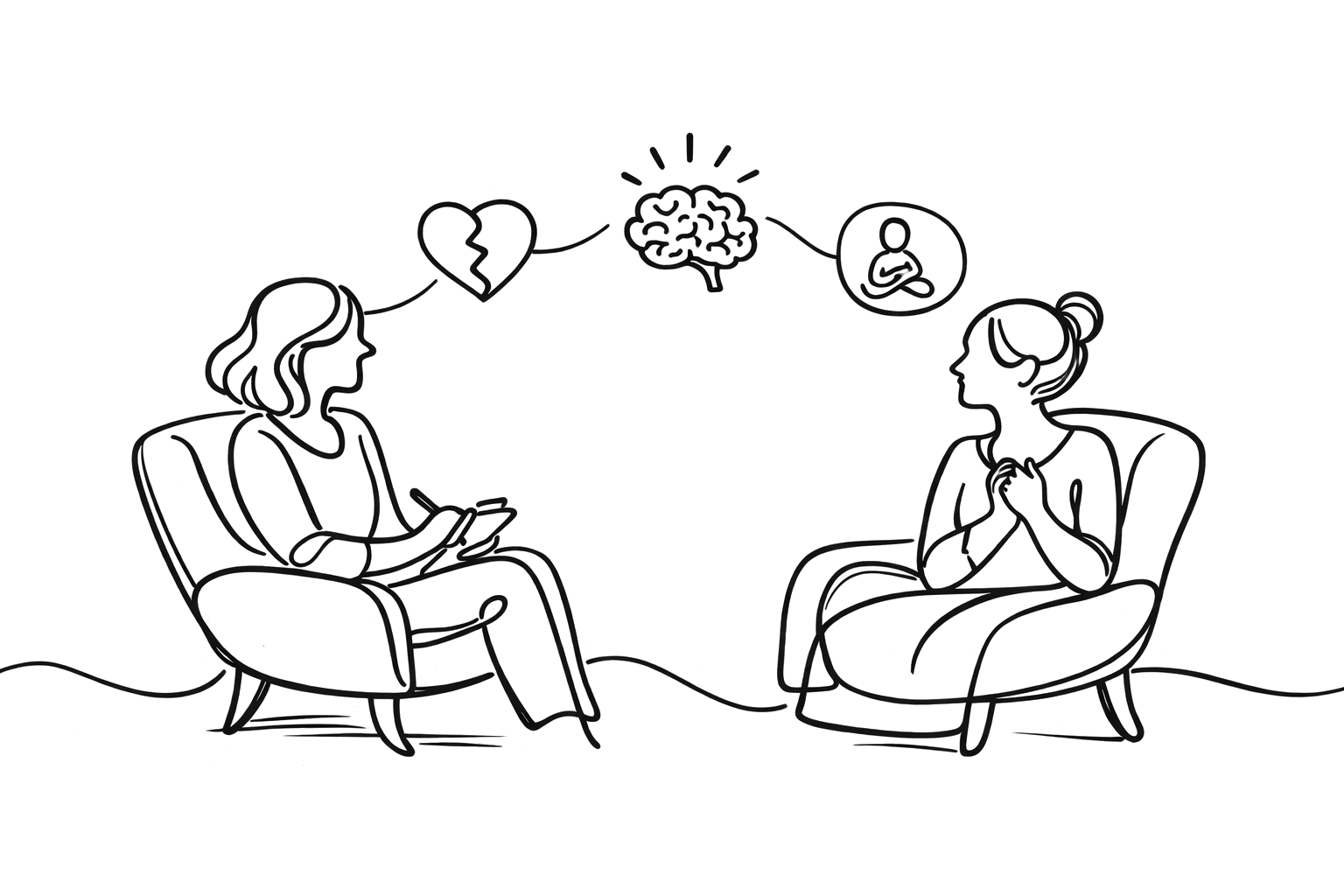
Trauma-Informed Therapy
Trauma-informed therapy recognizes that many emotional and relational struggles are shaped by past experiences. Rather than asking “What is wrong with you?” we ask “What has happened to you, and how has it impacted your nervous system, relationships, and sense of self?”
This approach emphasizes safety, collaboration, and empowerment. Our therapy moves at a pace that feels manageable while supporting the integration of difficult experiences.
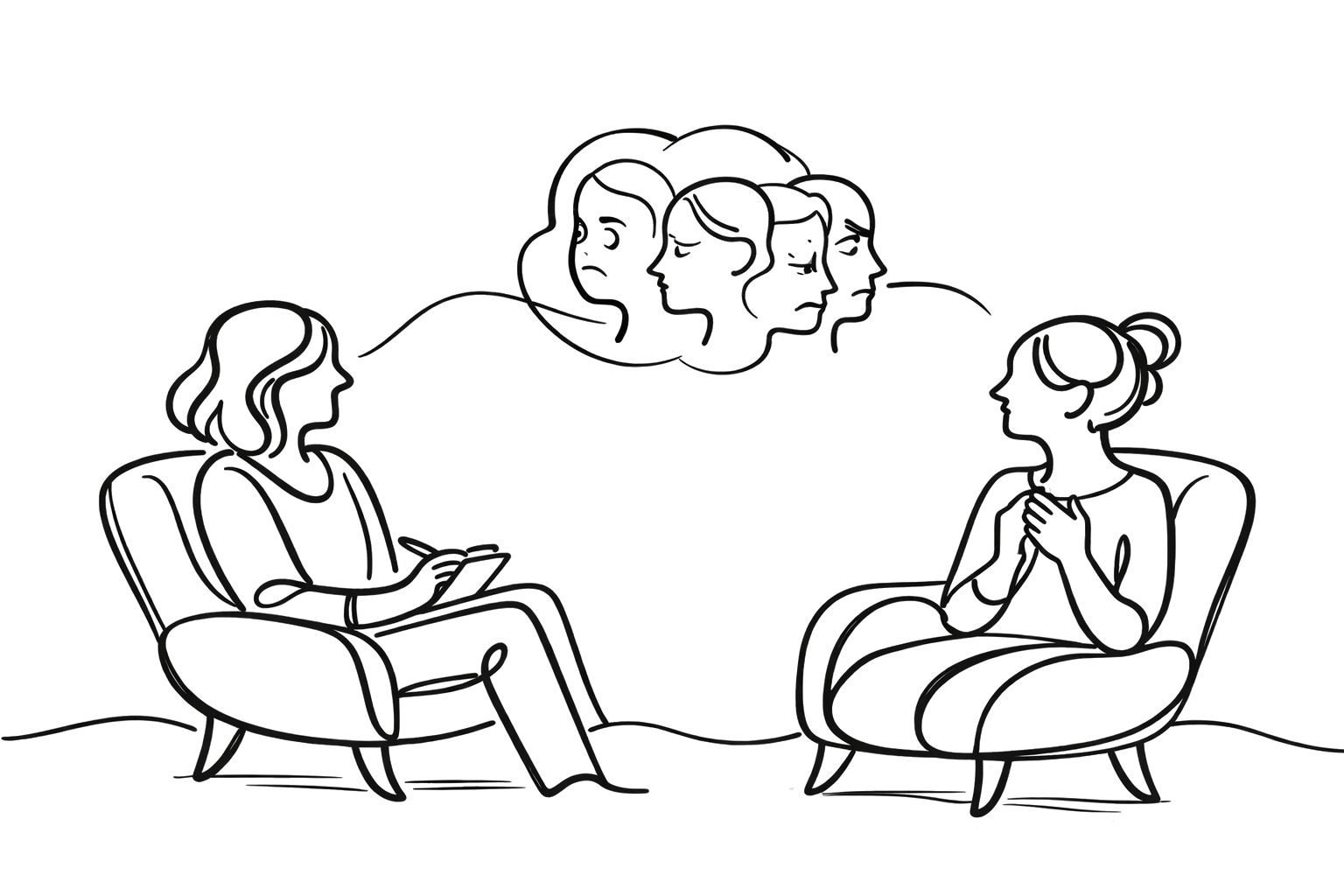
Parts Work / Internal Systems
Many people experience different “parts” of themselves that hold different emotions, roles, or protective strategies. Some parts may carry fear, shame, or sadness, while others work hard to keep us safe or in control.
Parts work helps us understand these inner dynamics with curiosity and compassion. Instead of trying to eliminate difficult emotions, this approach supports greater internal balance and self-understanding.
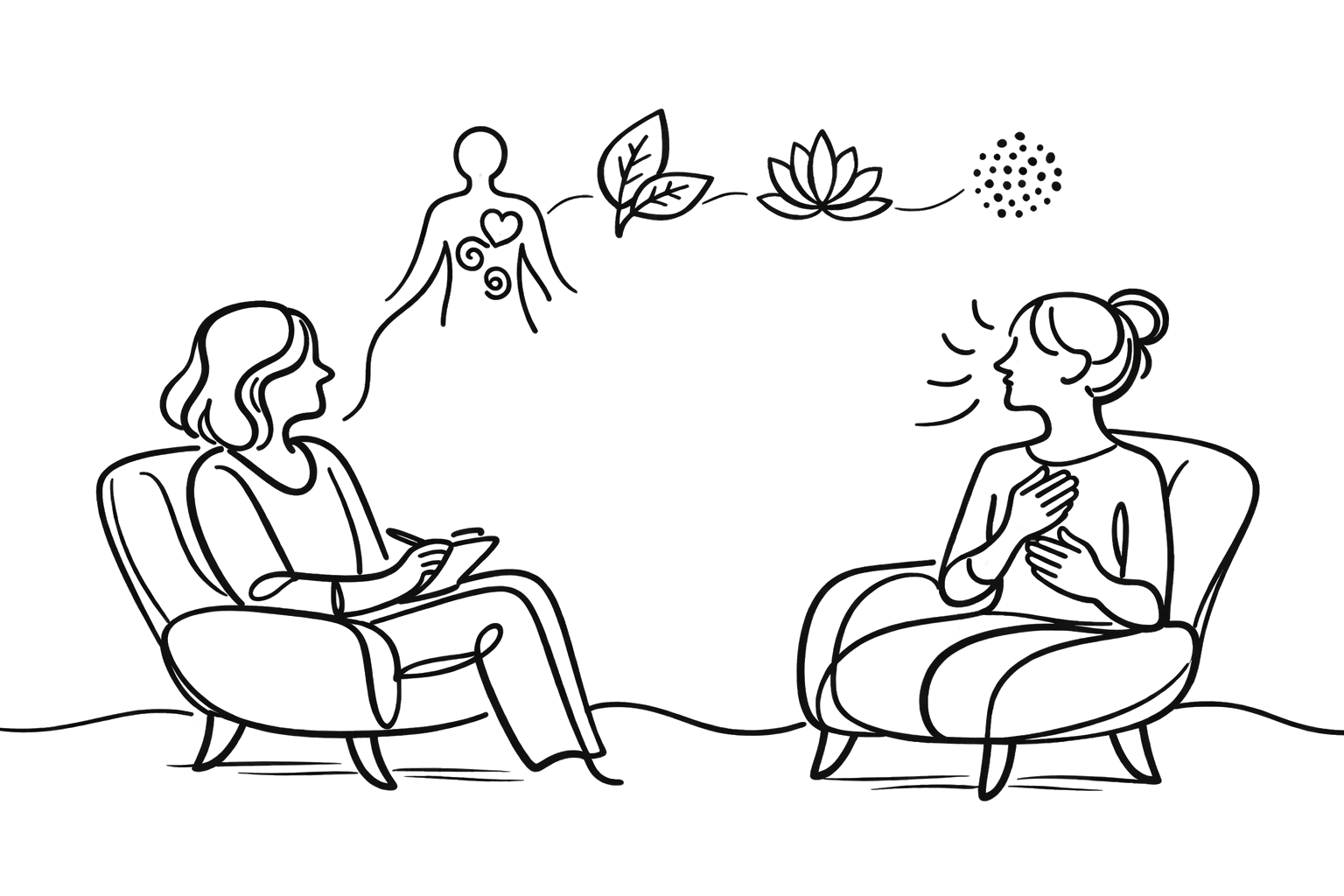
Holistic & Mind-Body Practices
Emotional experiences often live not only in our thoughts but also in our bodies. Mind-body practices may be incorporated to help regulate the nervous system and increase awareness of physical sensations connected to emotions.
These practices may include grounding techniques, somatic awareness, mindfulness, or other supportive exercises depending on your comfort level.
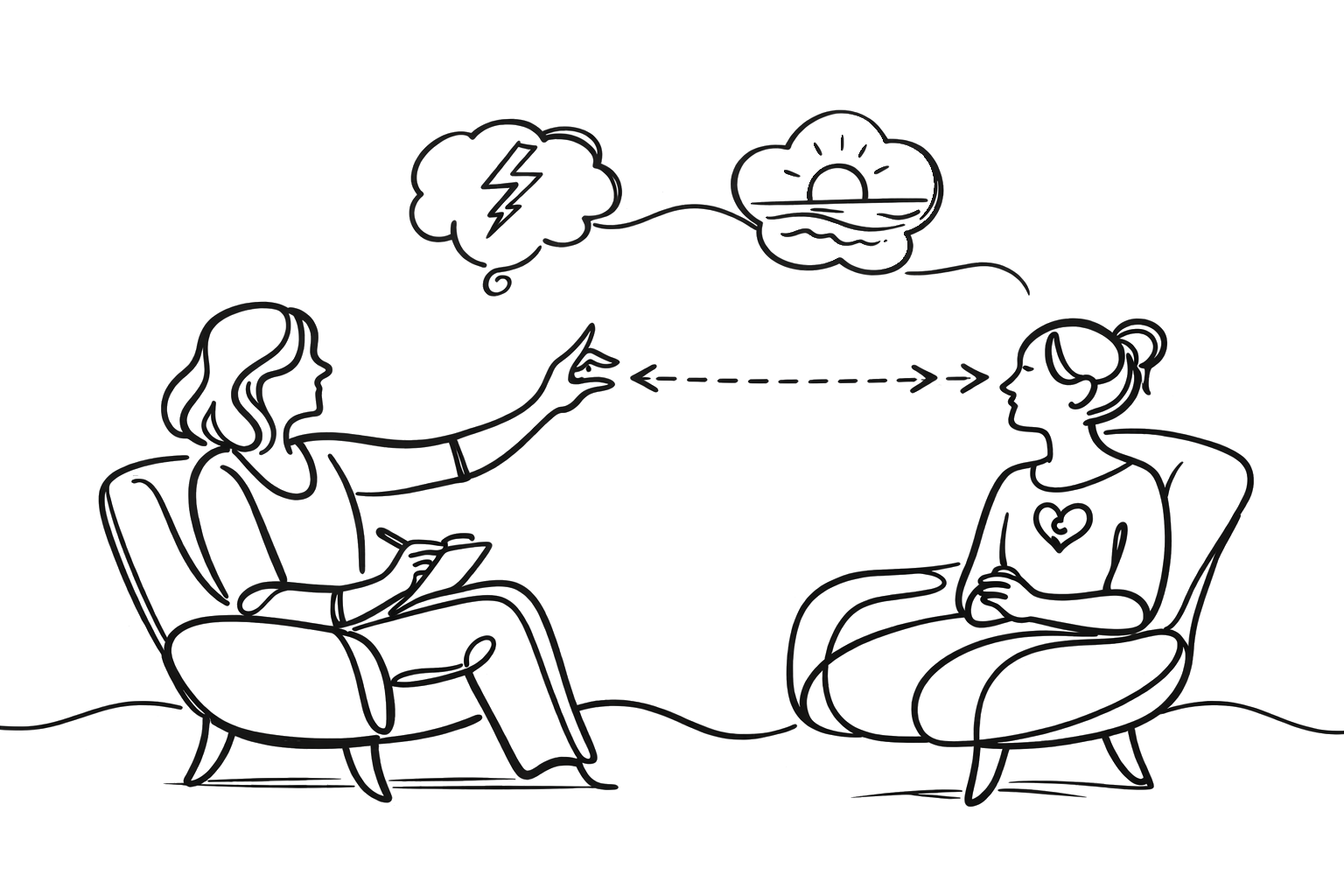
EMDR (Eye Movement Desensitization and Reprocessing)
EMDR is an evidence-based trauma therapy designed to help the brain process experiences that may feel “stuck.” When memories remain unprocessed, they can continue to influence how we think, feel, and respond to situations in the present.
Through guided bilateral stimulation, EMDR helps the brain integrate these memories in a way that reduces emotional intensity and allows new perspectives to emerge.
Art Therapy
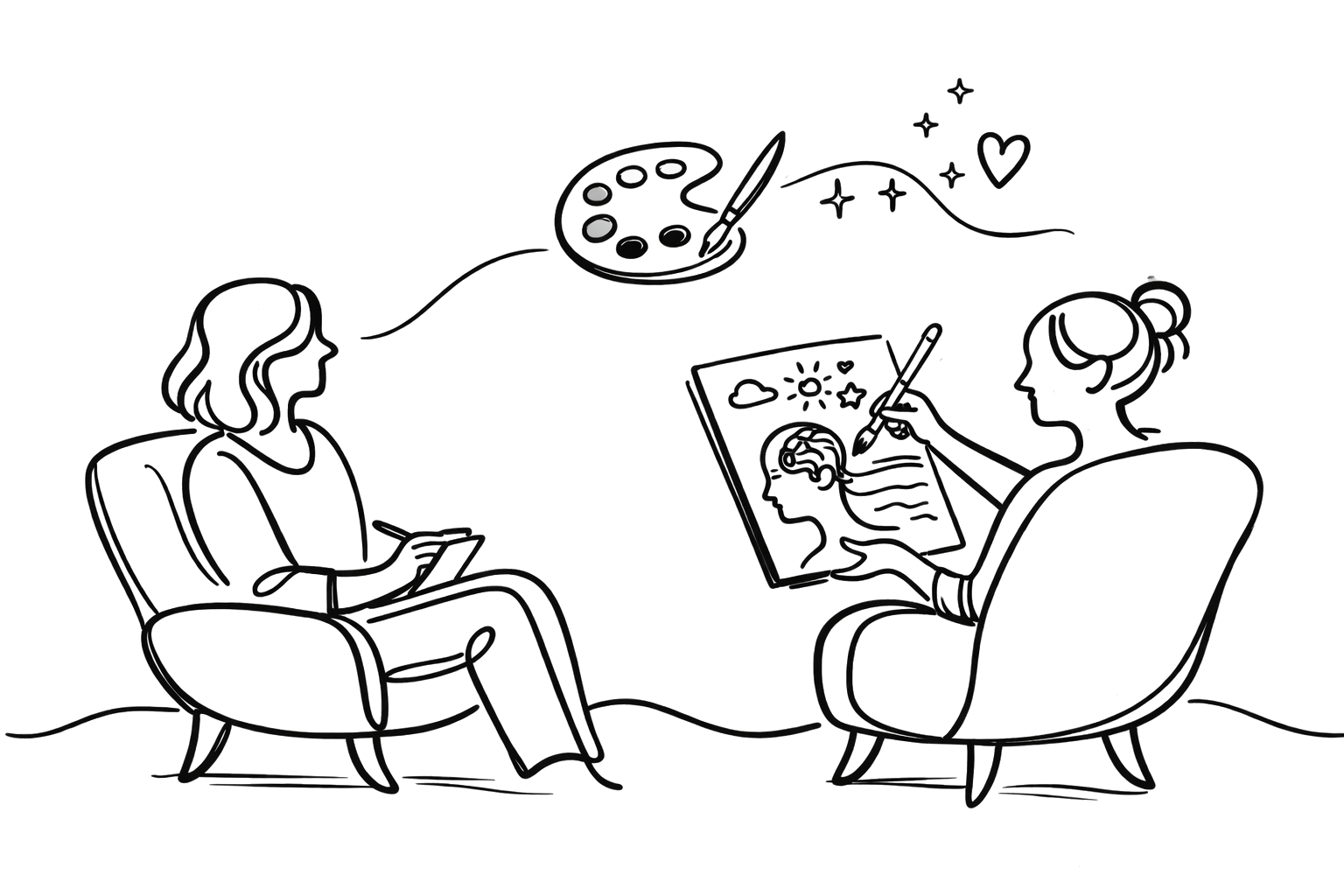
Art therapy offers a creative way to explore emotions, memories, and experiences that may be difficult to express with words alone. Through drawing, painting, or other creative processes, clients can access deeper layers of their inner experience.
Art therapy does not require artistic skill. The focus is on expression and insight rather than creating something perfect.
Creative work can support emotional processing, nervous system regulation, and a deeper connection with the self.
Collaborative and Client-Led
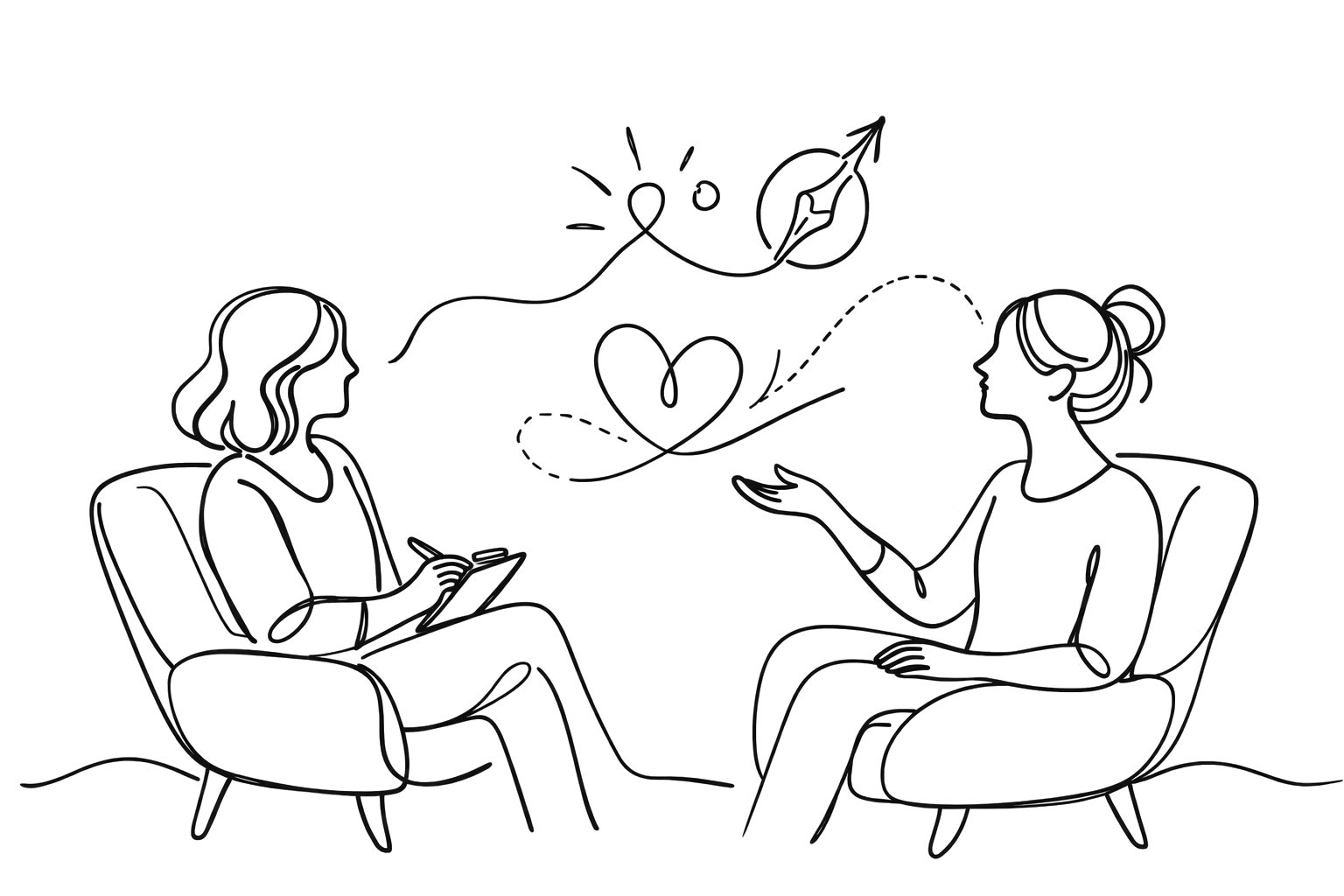
Therapy is a collaborative process. You are the expert on your own experiences, and our role is to walk alongside you with curiosity, compassion, and professional guidance.
Your treatment will always be shaped by your goals, comfort, and readiness. Some sessions may involve deeper processing, while others may focus on building coping skills, reflection, or creative exploration.
Healing happens when we feel safe enough to be honest about our experiences and supported enough to move through them.